THE SOUTH

The Pearl Destination

Pearls are probably the most beloved gems of all time with their seductive strands, warm to the touch. The beauty of this gem and its value are reflected in the name of southern Madagascar, the Pearl Destination.

Precious and beautiful, the rich treasures of southern Madagascar are waiting to be uncovered and explored.

A large diversity of landscapes, National parks rich in fauna and flora, unique vegetation, amazing geological formations, gemstones, a heaven for trekkers, long beaches and the varied cultures of up to 10 different local tribes are among the attractions of this region.

Exploring the south can take from 5 days up to three weeks using cars, trains and planes as means of transportation.

Places not to be missed in the southern part of the island include:
The Town of Antsirabe

The third biggest town of the island and the agricultural and industrial center of Madagascar, Antsirabe offers a range of interesting excursions to local workshops to watch skilled artisans produce fine handicrafts such as miniatures, zebu horn carving, embroideries, gems and confectionery. Visitors can tour the town by trying the local means of transportation the Posiposy or rickshaw.

25kms west of the town, a beautiful walk through Betafo town provides an opportunity to discover the real life of the local people, learning about their culture and daily activities, set amid the beautiful landscape of the countryside.

Also close to town are two peaceful crater lakes worth visiting – Tritriva and Andraikiba – which present an interesting local Romeo and Juliet story and nice and quiet area to enjoy.

The Town of Ambositra

The capital of Malagasy handicrafts, particularly renowned for its marquetry and wood carving workshops. A workshop visit is highly recommended to truly appreciate the skill of the local people.

Antoetra – the Zafimaniry Village

Located about 20kms from National Road 7, the village of Antoetra sits on a hill which is the gateway to the land of the Zafimaniry tribe, an area classified by the UNESCO as a cultural heritage site.

A visit to this area provides an opportunity to discover the wood carving skills for which this tribe is well known. A nice walk through hills of the Zafimaniry countryside allows visitors to meet local people, learn about their daily life and discover the unique houses and villages that showcase these skills.

The town of Fianarantsoa

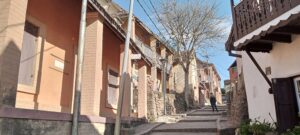
The capital of the Betsileo tribe offers you a unique visit to its well-preserved old town, one of several historically significant sites protected by the World Monuments Watch.

A walk through the Betsileo countryside will allow you to more deeply understand the daily life of the Betsileo people, their culture and beliefs while enjoying the beautiful landscape.

Ilakaka

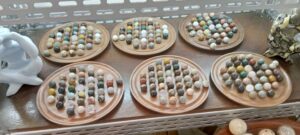
A visit to Madagascar’s biggest open air sapphire mining town provides an opportunity for you to discover traditional sapphire mining techniques. Gem workshops and showrooms are also worth a visit to learn more about this stone.


Mananjary & Manakara

These two small towns located at the south-eastern coast of the island are reputed for different cash crop plantations such as vanilla, pepper, cloves and coffee and can be reached by train journey from the town of Fianarantsoa. This area offers the opportunity to stroll along the Pangalanes canal which runs along the east-coast of the island or to explore the canal from a local canoe or motor boat.

Ranomafana National Park

Located at approximately 420km from the capital city, this is one of the premier lemur-watching sites on the island and is home to one of Madagascar’s most sophisticated research stations. It is a particularly important site for bamboo lemurs, of which three types can be seen here. Many other lemur species are found in this park, including the Black and white ruffed lemur, red bellied lemur, red fronted brown lemur, Milne Edward’s sifaka, rufous mouse lemur, Peyrieras’ woolly lemur, greater dwarf lemur, small-toothed sportive lemur, and the elusive and seldom-seen Aye-Aye.

Ranomafana is also a very popular destination for birdwatchers, where different endemic species can be seen including brown mesite, Pollen’s vanga, pitta-like ground roller, scaly ground roller, yellow bellied asity, velvet asity, pigmy kingfisher, blue vanga, blue coua, red brested coua, and henst goshawk among many.

Anja Reserve

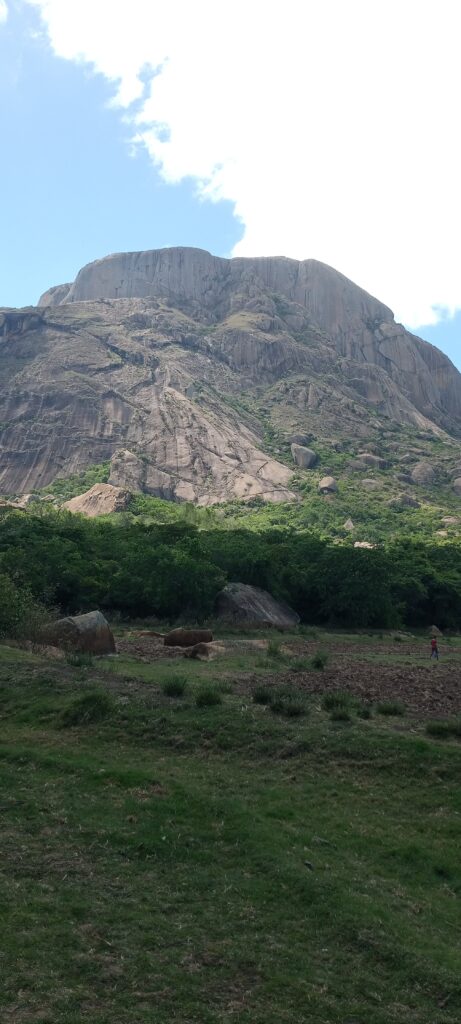
Anja Reserve is a community-managed forest and ecotourist reserve extending over 30ha. This exceptionally diverse landscape includes dense dry forest, majestic granite domes, magnificent viewpoints, cultural sites and caves, and is home to a population of ring-tailed lemur that can be easily seen by tourists. The reserve also offers pleasant walks and hikes, accompanied by knowledgeable local guides that will bring the environment to life.

Fish farming is another important activity conducted by the local community, generating significant revenue for the local people.


Andringitra National Park

This area is one of the most important montane areas in the country, featuring considerable altitudinal variation, from lowland rainforest and grassland to high-altitude forest, set amid spectacular granitic outcrops reaching up to 2,658m high.

An ideal site for trekkers and rock climbers, all visitors will enjoy seeing the lemurs, endemic plants and birds species found within the park.

Note: the Tsaranoro valley is located at the edge of the Andringitra National park near by the N7 which offers a nice walk around from a valley up to the peak of Mount Chameleon.

Isalo National Park

A sandstone massif wildly eroded by wind and rain into bizarre ridges known as “runiformes”, is famous for its sandstone formations and impressive gorges and canyons. The far wild west is dominated by the rugged massif that rises up from the surrounding flat grassy plain, attracting visitors to admire the sweeping colors of this Jurassic scenery. Its sandstone cliffs and canyons are home to groups of ring-tailed lemurs, red-fronted brown lemurs and the dancing Sifaka as well as endemic plants and birds.

Natural swimming pools offer visitors the opportunity to take a refreshing swim while they take a break within the park.

Zombitse National Park

A remnant of the dry deciduous forest in the southern part of the island which is rich on biodiversity, Zombitse National Park is home to many endemic birds such as Appert’s tetraka, as well as dancing Sifaka, ring-tailed lemurs, red-fronted brown lemurs, Zombitse sportive lemurs, grey mouse lemurs and fat-tailed dwarf lemurs.

Arboretum of Antsokay

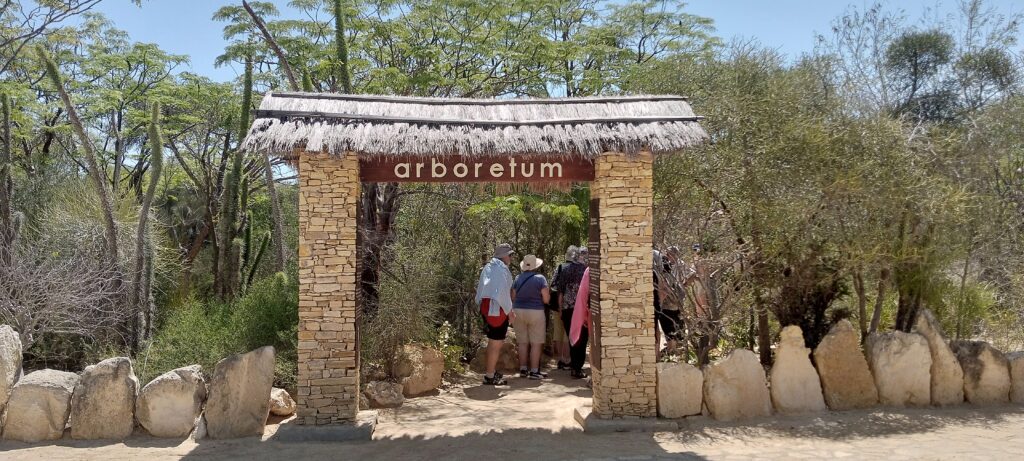
This botanical garden covering a surface area of 40ha located at 12kms from the town of Toliara is a site that preserves the most threatened plants species found in the south and south-western part of the island. 4ha of the land area is dedicated to presenting a collection of endemic plants to allow visitors to discover and learn about Madagascar’s rich flora. Endemic birds, chameleons, iguanas and mouse lemurs may be spotted during a visit.


Reniala spiny forest

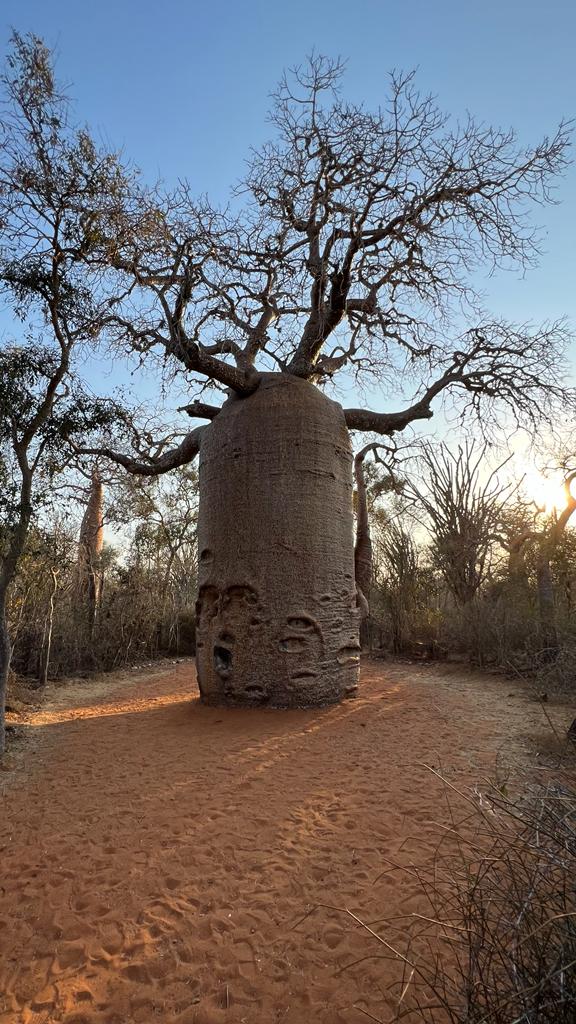
Reniala is a private reserve located near the sea in the South Baobab Forest. West of Madagascar at the exit of the village of Mangily Ifaty, 27 km from Tulear, the reserve covers an area of ​​60ha.

This area presents an exceptional richness of flora and fauna with more than 1000 varieties of endemic plant species with remarkable xerophytic (dry climate) adaptations, many endemic birds including the long tailed ground roller, subdesert mesite and Archbold newtonia. During a visit you can also learn about the activities of the Lemur Rescue Center set up by the NGO Reniala in partnership with the reserve and other stakeholders.

Berenty private reserve

One of the best known tourist destinations in Madagascar is located at about 90kms west of the town of Fort Dauphin or Tolagnaro. The Berenty private reserve is situated along the Mandrare river and covers approximately 250ha of gallery forest dominated by large tamarind trees and adjoining spiny forest with abundant octopus trees. The reserve is home of several diurnal lemur species including the ring-tailed lemur, dancing Verreaux sifaka and red fronted brown lemur, along with some  nocturnal species such as the white-footed sportive lemur, grey mouse lemur and the gray-brown mouse lemur.

The reserve is a good place for bird-watching, being home to endemic bird species such as the giant coua, running coua, green-capped coua, Madagascar cuckoo hawk and white browed owl.

Get Your Free Quotation